Predictive Logistics + Optimization (DHL Supply Chain)
DHL Supply Chain · Feb 2023 – Jan 2024
Role
Data Scientist (ML)
Timeline
Jan 2023 – Jan 2024
Team
Logistics Managers, Operations Analysts, Data Engineers
My Focus
Operations Research, Demand Forecasting, Route Optimization
- Business impact
- +30% efficiency; +5% backhaul
- Scale
- USA & Mexico operations

The Challenge
The Challenge: The "Empty Mile" Problem
In logistics, an empty truck is lost revenue. DHL needed to optimize fleet utilization to reduce costs and improve delivery speed.
- The Bottleneck: Manual planning could not account for dynamic demand or identify "backhaul" opportunities (return trips), resulting in trucks running empty 20% of the time.
- The Goal: Build an automated system to predict daily demand and mathematically optimize route assignments to minimize empty miles.
The Architecture
I developed a Predictive Logistics Pipeline that combined Machine Learning with Operations Research:
- Data Transformation: Used dbt to clean and transform historical shipment data from SQL databases into analysis-ready features.
- Demand Forecasting: Trained an XGBoost model to predict shipment volumes 24 hours in advance, allowing for proactive planning.
- Route Optimization: Applied Linear Programming (PuLP/OR-Tools) to solve the vehicle routing problem, mathematically guaranteeing the most efficient route allocation.
graph LR
    A[Shipment Data<br/>SQL Database] --> B[Feature Engineering<br/>dbt Transformations]
    B --> C[XGBoost<br/>Demand Forecast]
    C --> D[Linear Programming<br/>PuLP/OR-Tools]
    D --> E[Route Assignment<br/>Engine]
    E --> F[PowerBI<br/>Operations Dashboard]

    G[Airflow<br/>Orchestration] -.->|Daily Batch| B
    H[Backhaul<br/>Optimizer] -.->|5% Increase| D

    style A fill:#2563eb,stroke:#1d4ed8,stroke-width:2px,color:#fff
    style B fill:#60a5fa,stroke:#2563eb,stroke-width:2px,color:#fff
    style C fill:#2563eb,stroke:#1d4ed8,stroke-width:2px,color:#fff
    style D fill:#60a5fa,stroke:#2563eb,stroke-width:2px,color:#fff
    style E fill:#2563eb,stroke:#1d4ed8,stroke-width:2px,color:#fff
    style F fill:#60a5fa,stroke:#2563eb,stroke-width:2px,color:#fff
    style G fill:#666,stroke:#444,stroke-width:1px,color:#fff
style H fill:#666,stroke:#444,stroke-width:1px,color:#fffThe Impact
We successfully automated the daily route planning process, reducing manual work and fuel waste.
| Metric | Manual Planning | AI-Optimized Routing |
|---|---|---|
| Planning Time | 4+ Hours / Day | < 10 Minutes (Automated) |
| Route Logic | Human Intuition | Mathematical Optimization |
| Asset Utilization | 20% Empty Returns | +5% Backhaul Capacity |
| Efficiency | Baseline | +30% Operational Efficiency |
Collaboration & Operations
Success in logistics requires buy-in from the operations floor:
- Operational Adoption: I worked directly with dispatchers to design a PowerBI Dashboard that visualized the optimized routes, ensuring the output was actionable and trusted by the team.
- Scalability: The system was deployed via Airflow to run reliable daily batches, scaling to handle 500+ shipments per day across multiple distribution centers.
Discover more
Related ML Systems & Business Impact
Explore adjacent case studies that highlight similar technical depth and measurable outcomes.
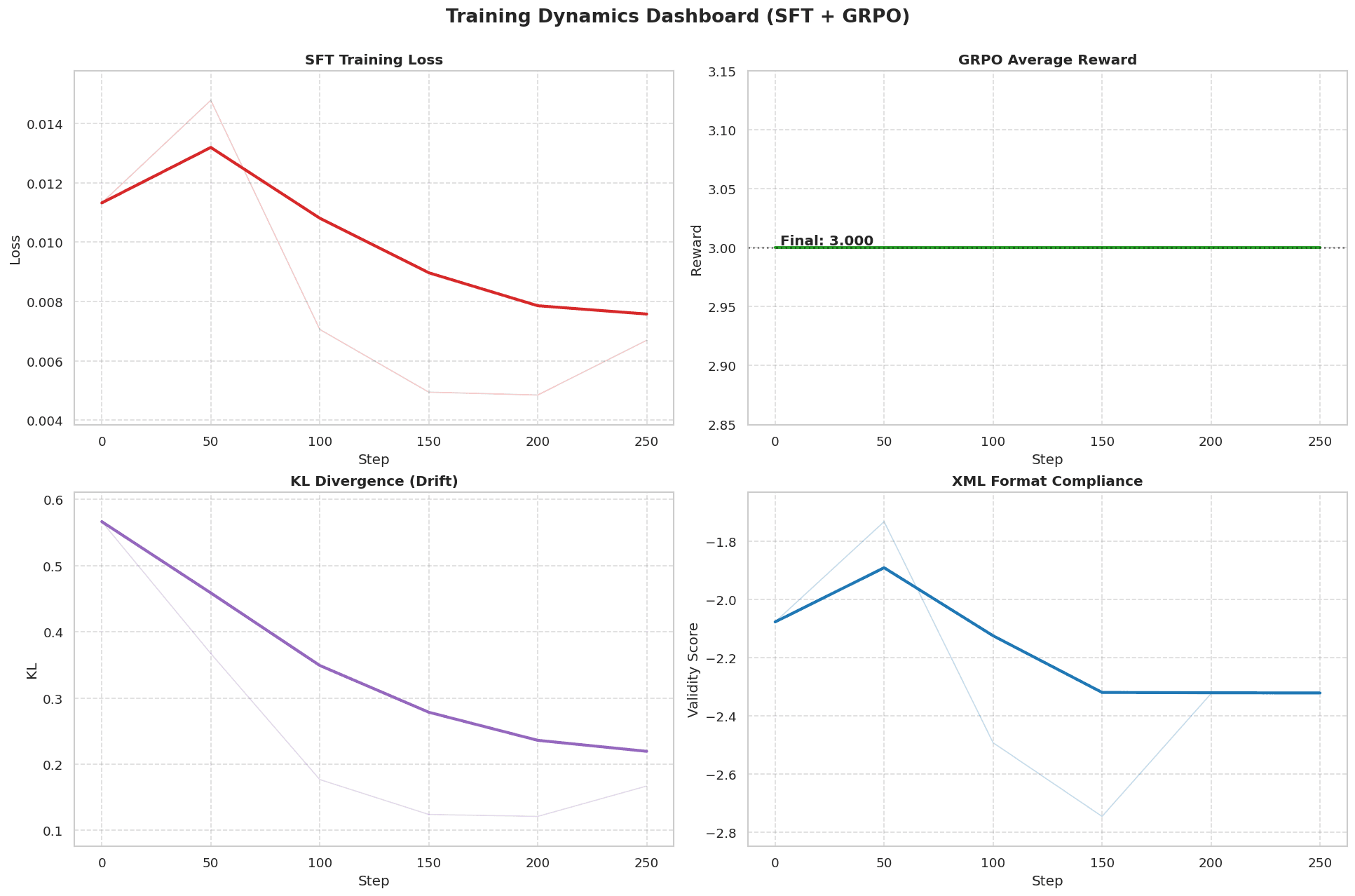
Gemma 3 1B Reasoning Fine-Tuning with Tunix
Outcome: 100% strict XML post-repair (40% raw -> 100% repaired)
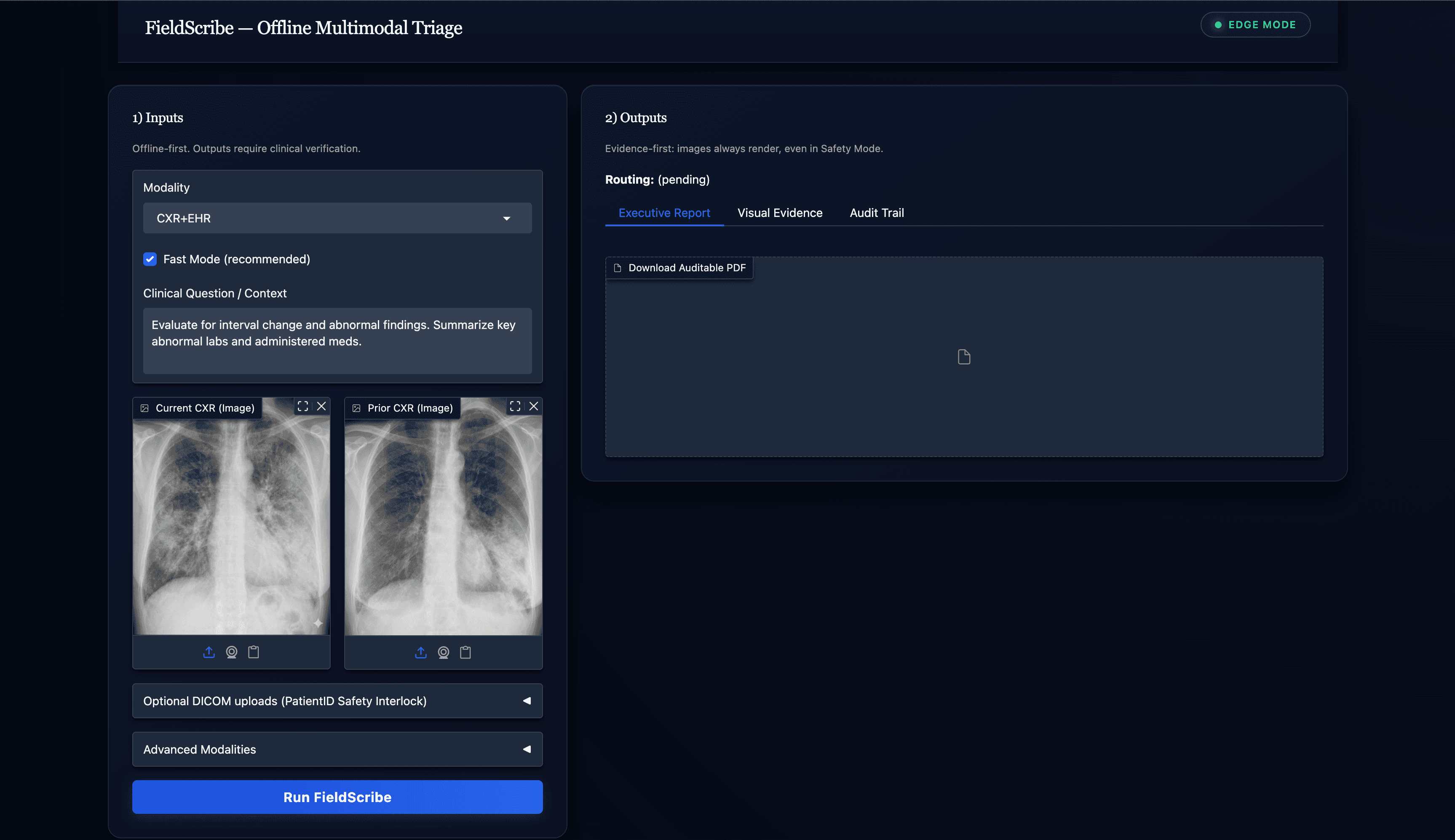
Offline Multimodal Clinical Triage Copilot
Outcome: ~10-14 min saved per complex case
Ranking + Recommendations at Scale
Outcome: +10% CTR; +25% Recall@K
Ready to turn AI into measurable business impact?
I partner with teams to ship production ML systems, drive revenue lift, and unlock operational efficiency at scale.